2026 Best Brass Parts for Your Projects and DIY Needs?
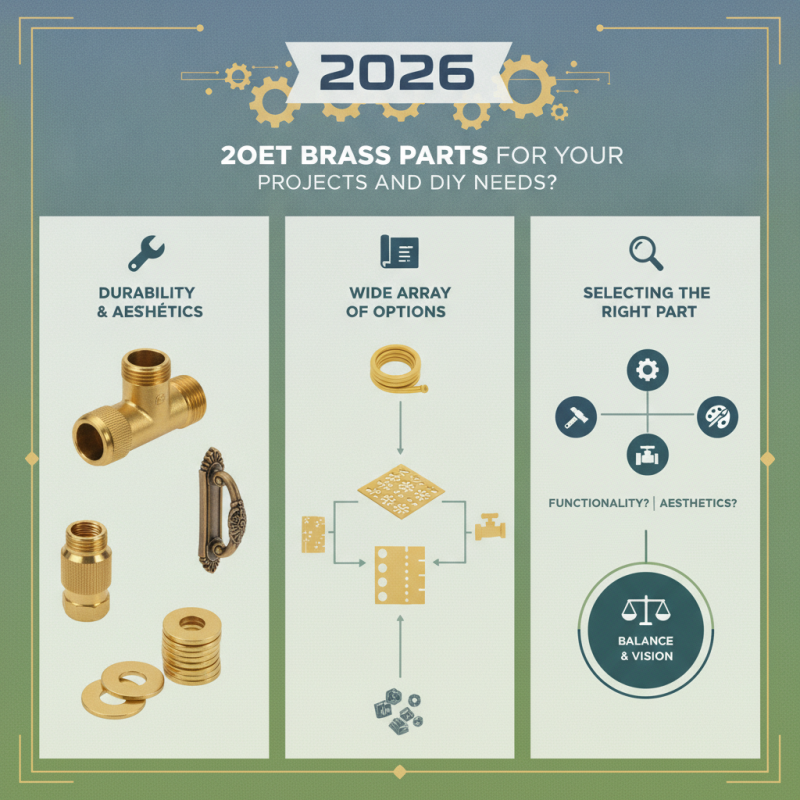
When embarking on DIY projects, choosing the right materials is crucial. Brass Parts stand out as a popular option for various applications. Their durability and aesthetic appeal make them ideal for many types of projects.
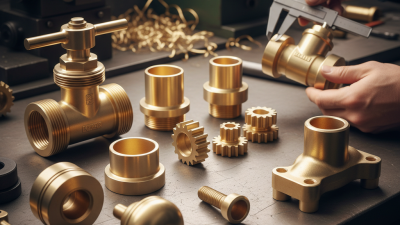
In 2026, the market offers a wide array of brass components. From fittings to decorative accents, the options are vast. Each piece has unique qualities that can elevate any project. However, it's essential to understand the specifications and purpose of each part.
Selecting the best brass parts requires a keen eye and awareness of individual needs. Not all brass components may suit your specific requirements. As you explore your options, consider how each part fits into your vision. Balancing aesthetics with functionality can be challenging but rewarding.
2026 Trends in Brass Parts: Innovations and Market Demand Analysis
The brass parts market is evolving rapidly. In 2026, innovations in design and manufacturing techniques are shaping industry standards. A recent report indicates that the demand for brass components is expected to grow by 7% annually. This increase is largely driven by the expansion of sectors such as plumbing, electronics, and decorative fittings.
Sustainability is becoming a key factor. Manufacturers are focusing on eco-friendly practices. Reports show that over 50% of companies are now investing in sustainable sourcing of raw materials. This shift reflects growing consumer awareness about environmental impact. However, challenges remain. Not all suppliers adhere to these practices, leading to inconsistencies in product quality.
Moreover, advancements in manufacturing technology, such as 3D printing, are opening new avenues. These methods offer faster production and customization options for builders and DIY enthusiasts. Yet, there is variability in user experience with these technologies. Some users report issues with precision and durability in printed brass parts. Awareness of these limitations is essential as the market evolves. Keeping an eye on both innovations and shortcomings will guide effective project planning in carpentry and metalworking.
Key Considerations for Selecting Quality Brass Parts in DIY Projects
When selecting quality brass parts for DIY projects, key considerations revolve around material composition and manufacturing standards. Studies show that high-quality brass typically contains around 60% copper and 40% zinc. This ratio enhances strength and resistance to corrosion. However, some suppliers may offer lower-grade brass that compromises these properties, making it essential to verify sourcing and material specifications.
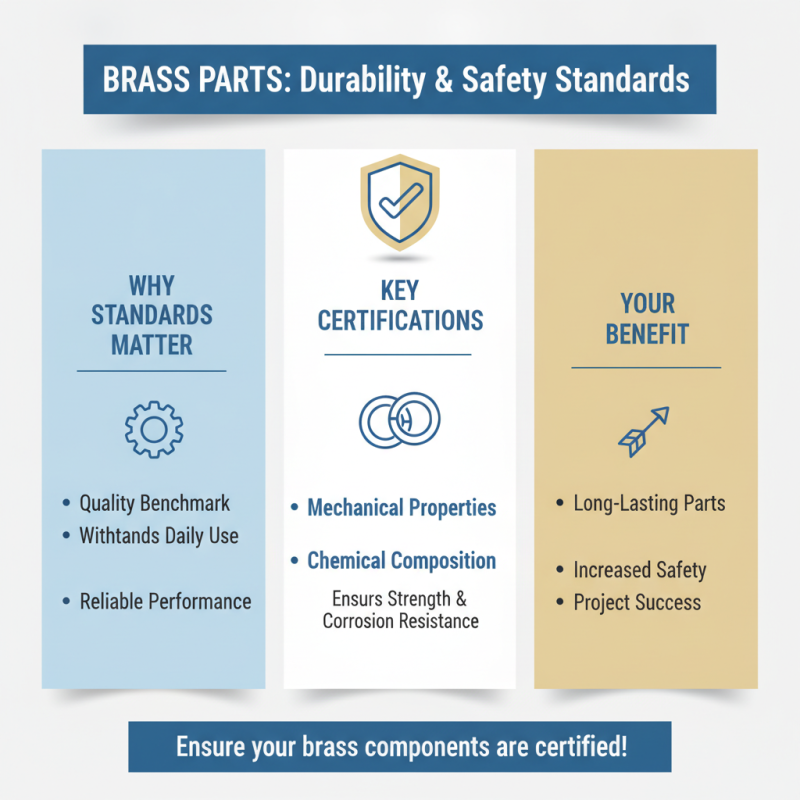
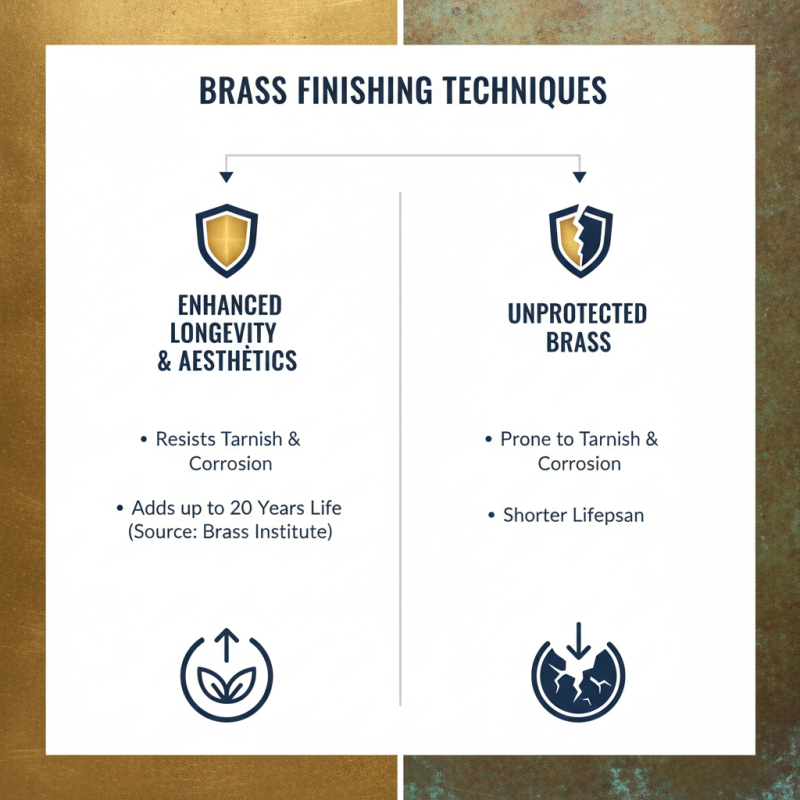
Another crucial factor is the finish of the brass components. Research indicates that a polished finish can significantly improve aesthetics and durability. Yet, imperfections in finish may go unnoticed when purchasing. Therefore, examining samples closely helps in identifying subpar options. Additionally, checking for certifications or compliance with industry standards adds credibility to the product's quality.
Price can also be a misleading indicator of quality. Some inexpensive brass parts might appear attractive but lack durability. An analysis of market trends reveals that investing in reputable sources often pays off long-term. However, this requires patience and a discerning eye. Finally, connecting with experienced DIYers or industry professionals can provide insights that help navigate the complexity of selecting the right brass parts. This collaborative approach often uncovers hidden gems in the marketplace.
2026 Best Brass Parts for Your Projects and DIY Needs
This chart illustrates the average ratings for various brass parts that are popular for DIY projects in 2026. Selecting high-quality brass parts can significantly affect your project's outcome.
Comparative Analysis of Brass Alloys: Best Choices for Different Applications
When choosing brass parts for projects, it's essential to understand the differences in brass alloys. Brass is primarily an alloy of copper and zinc, but the proportions can vary. For many applications, C260 brass, with its high ductility, is ideal for cold working. However, for more demanding environments, consider C464, which offers superior corrosion resistance.
Tip: Always consider the environment where the brass will be used. High humidity or exposure to seawater may require a different alloy than dry interiors.
Different brass alloys cater to distinct applications. For instance, C315 is known for its excellent machinability, making it a favorite in precision engineering. In contrast, C330 is often used for high-strength applications. Understanding these distinctions is critical to selecting the right alloy for your needs.
Tip: Conducting a thorough compatibility check between brass alloys and other materials is a smart practice before finalizing selections.
It's vital to reflect on the specific requirements of your DIY project. Not every brass alloy will meet every need. A misstep in choice can lead to functionality issues down the line. Experience tells us that the right alloy can make all the difference in performance and longevity.
2026 Best Brass Parts for Your Projects and DIY Needs
| Brass Alloy |
Copper Content (%) |
Zinc Content (%) |
Strength (MPa) |
Corrosion Resistance |
Recommended Applications |
| C36000 |
61 |
35 |
310 |
Good |
Machined Parts, Plumbing Fittings |
| C86500 |
63 |
35 |
290 |
Very Good |
Valves, Pump Components |
| C44300 |
58 |
40 |
250 |
Excellent |
Marine Applications, Heat Exchangers |
| C27400 |
58 |
39 |
260 |
Good |
Thermal and Electrical Applications |