In 2026, sourcing machined aluminum parts presents unique challenges and opportunities. The growing demand for lightweight materials in various industries drives innovation. As technology advances, the methods for obtaining these parts are evolving. Companies must stay informed about the latest machining techniques and suppliers.
Quality is a critical factor when choosing machined aluminum parts. Many organizations struggle to find reliable manufacturers. Not every supplier meets the rigorous standards required for precision components. Conducting thorough research is essential to avoid costly mistakes. Customer reviews and industry certifications can help guide decisions.
Different applications require different specifications for machined aluminum parts. Understanding your specific needs can simplify the sourcing process. Not all materials are appropriate for every project. A clear vision can prevent missteps and enhance final outcomes. Emphasizing reliability and quality will ultimately lead to better results.

Sourcing machined aluminum parts requires careful consideration. Understanding the basics is essential. Aluminum is lightweight and corrosion-resistant, making it popular in various industries. The machining process can be complex. It involves specific techniques to achieve precision and accuracy.
Evaluate your project needs first. Determine the specifications, such as dimensions and tolerances. Consider your production volume. Small quantities may require different sourcing strategies than larger runs. Research potential suppliers.
Look for manufacturers with expertise in aluminum machining. Experience matters greatly. Check their certifications and quality control processes.
However, sourcing isn't always straightforward. Delays can happen. Quality issues may arise unexpectedly. It's crucial to maintain open communication with suppliers. Regular updates can mitigate risks. Be prepared to adjust your expectations as needed.
Flexibility in design can lead to better sourcing options. Always be willing to reassess your sourcing choices as the project evolves.
When sourcing machined aluminum parts in 2026, identifying key suppliers and manufacturers is crucial for quality and reliability. Researching potential partners requires a systematic approach. Start by exploring industry-specific directories. Many databases compile manufacturers and their specialties. This method can uncover lesser-known but capable suppliers.
Connect with industry experts. Attend trade shows and seminars where manufacturers showcase their capabilities. These events provide a unique opportunity to network and ask for recommendations. Don't overlook online platforms where suppliers advertise their services. Read reviews and client feedback to gauge reliability.
Tip: Always request samples before committing. Evaluating the quality of a sample can save time and money in the long run. Also, consider visiting potential suppliers. Seeing operations firsthand helps build trust. Note the production processes and equipment used.
In 2026, adaptability is vital. Market dynamics may shift, affecting supply chains. Stay informed about industry trends and update your supplier lists accordingly. Reflect on your experiences. Past partnerships can guide future decisions. Remember, not every supplier will meet your standards, and that's okay.
When sourcing machined aluminum parts in 2026, evaluating quality standards is crucial. The industry faces various challenges, including rapidly evolving technologies and market demands. According to a 2023 report by the International Aluminum Association, about 74% of manufacturers prioritize quality certifications when choosing suppliers. This statistic highlights the importance of stringent quality control measures in production processes.
Quality standards like ISO 9001 are fundamental for assuring consistency in manufacturing. Certification indicates that a supplier has met established criteria, ensuring their capacity for delivering reliable parts. Moreover, compliance with standards such as ASTM B221, which specifies aluminum alloy shapes, can significantly impact part performance. Evidence suggests that parts meeting these specifications enhance product longevity and reduce failure rates.
However, the landscape of quality certification is not without its challenges. Some manufacturers may pursue cost-cutting measures, compromising quality for price. This practice can lead to inconsistencies in product quality and affect overall reliability. It's essential to approach sourcing with an understanding of supplier capabilities and commitment to quality standards. A robust evaluation process can help mitigate risks and ensure the acquisition of dependable aluminum components.
| Quality Standard | Certification Body | Certification Level | Typical Industries | Key Requirements |
|---|---|---|---|---|
| ISO 9001 | International Organization for Standardization | Quality Management Systems | Manufacturing, Aerospace, Automotive | Continuous improvement, customer focus, and process approach |
| AS9100 | Society of Automotive Engineers (SAE) | Aerospace Quality Management | Aerospace and Defense | Risk management, safety and quality assurance |
| ISO/TS 16949 | International Automotive Task Force | Automotive Quality Systems | Automotive Manufacturing | Defect prevention, reducing variation, and waste in the supply chain |
| ISO 14001 | International Organization for Standardization | Environmental Management Systems | Various industries focused on environmental management | Environmental impact assessment and compliance |
| Nadcap | Performance Review Institute | Accreditation for aerospace and defense | Aerospace and Defense | Special processes covering heat treating, welding, and non-destructive testing |
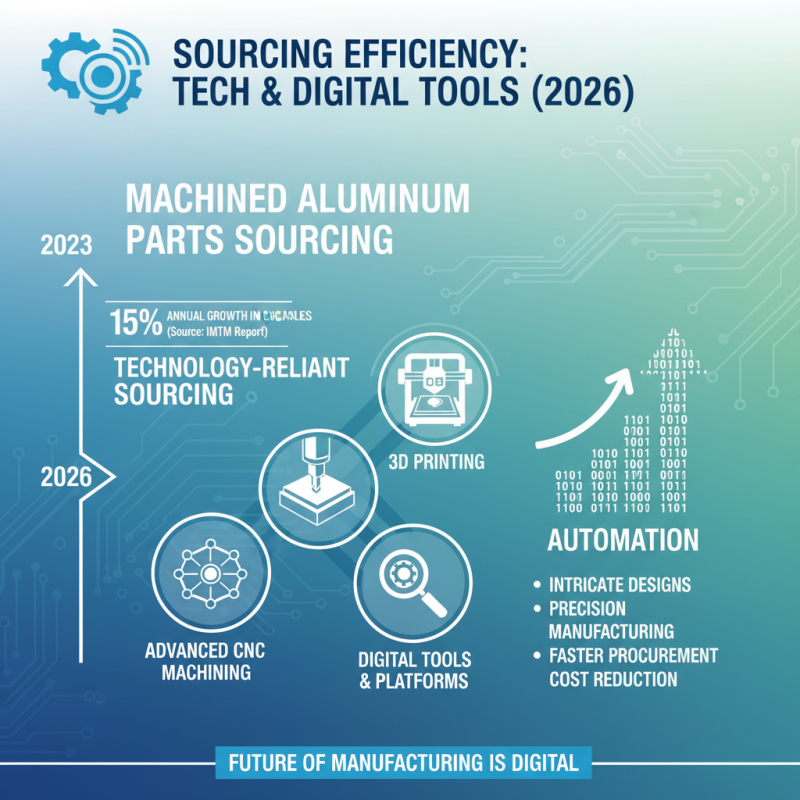
In 2026, sourcing machined aluminum parts effectively will rely heavily on technology and digital tools. Advanced manufacturing technologies like 3D printing and CNC machining continue to evolve, allowing for intricate designs and precision. According to the 2023 report by the International Machine Tool Manufacturers, there's been a 15% annual growth in CNC machine sales. This growth indicates a shift towards automation in sourcing processes.
Digital platforms also enhance operational efficiency. Sourcing software can analyze suppliers' performance and pricing in real-time. Many companies experience up to 30% cost savings using these tools. Still, one must remain cautious. Not all vendors optimize their digital presence, leading to inconsistent quality. Identifying reliable suppliers remains a challenge despite technological advances.
Moreover, integrating IoT devices in manufacturing setups allows for predictive maintenance. Data from the Manufacturing Industry Association suggests that companies utilizing IoT can reduce downtime by 25%. However, implementing this technology is not without challenges, such as cybersecurity threats. Companies need to weigh the benefits against potential risks. Selecting the right digital tools for sourcing requires careful consideration and ongoing reflection.
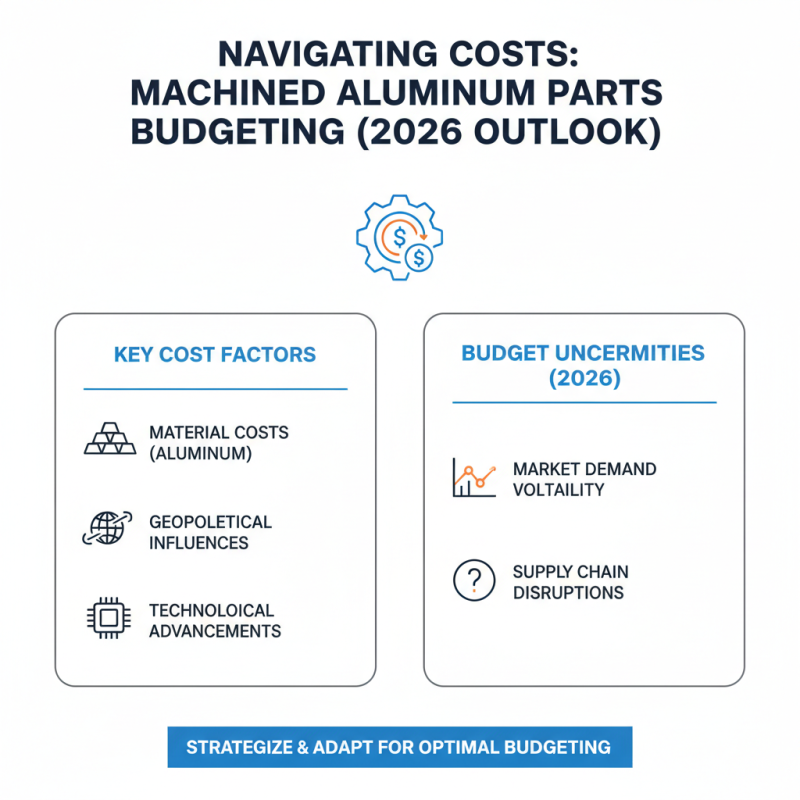
Budgeting for machined aluminum parts requires a thorough understanding of the various cost factors involved. Material costs fluctuate based on market demand. In 2026, you may find that aluminum prices are impacted by both geopolitical issues and technological advancements. These variables can create uncertainties in your budget planning.
Labor costs and machining processes also play a vital role in overall expenses. Efficient machining requires skilled labor familiar with modern equipment. If you’re outsourcing, you must consider the costs of shipping, tariffs, and lead times. These can significantly affect your bottom line. Carefully assessing these elements can prevent budget overruns.
It’s also essential to account for quality control measures. Investing in high-quality parts may raise initial costs but can save money long-term. Flawed components can lead to production delays and increased costs for rework. Therefore, reflecting on the balance between upfront expenses and long-term savings is crucial. Each decision should weigh immediate versus future financial impacts.