Creating a timeless piece involves understanding wall clock parts. These components are crucial for any clock-making project. Whether you're a seasoned clockmaker or a beginner, knowledge of these parts is essential.
When selecting wall clock parts, consider functionality and design. The movement is the heart of the clock. It dictates how time is displayed. Then, there are the hands, which not only tell time but also enhance the overall aesthetic. Each part contributes to the clock's story.
Yet, even with the best parts, mistakes can happen. Misalignment or incorrect measurements can lead to frustrations. Embrace the learning moments. Each failure is a step toward mastery. By reflecting on these experiences, you’ll refine your skills. Understanding wall clock parts allows for creativity and innovation in your designs.
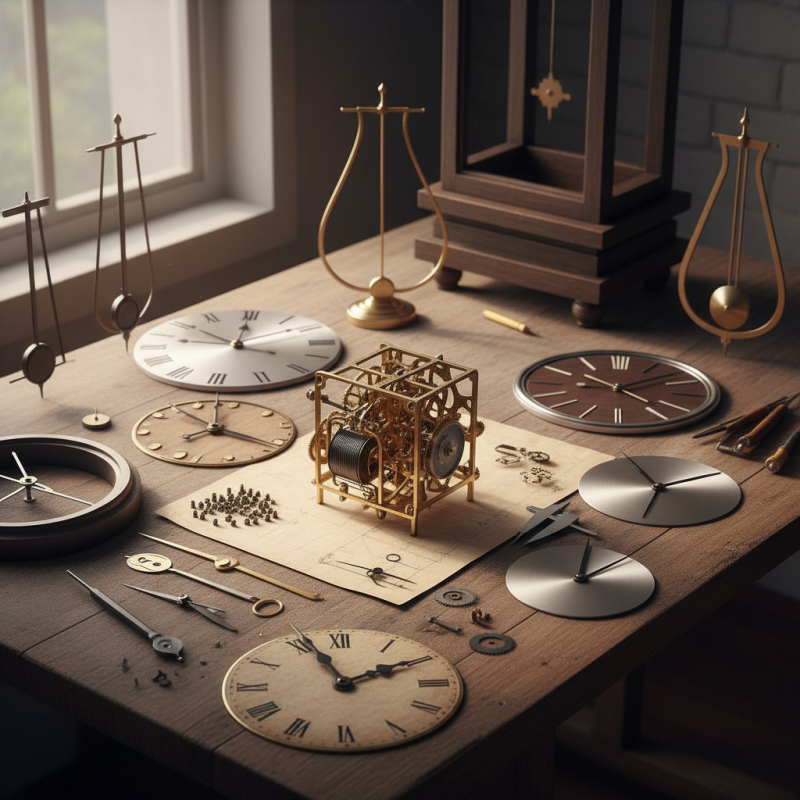
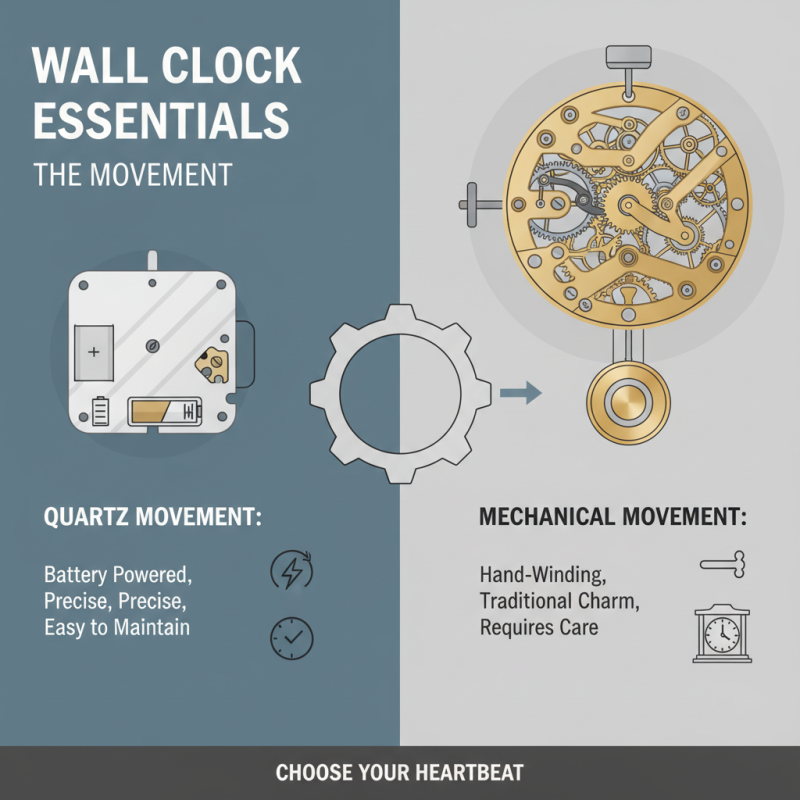
When it comes to creating wall clocks, understanding essential components is crucial. A clock's heart is the movement. This is where timekeeping happens. It can be quartz or mechanical, each with unique advantages. Quartz movements are precise but need battery changes. Mechanical movements, on the other hand, offer a classic charm and require winding.
Another important part is the clock face. Choose materials carefully. Glass, wood, or plastic all have different vibes. The design can enhance the overall look. Numbers or markers are vital too. They need clear visibility from a distance.
Tips: Consider the environment where the clock will hang. Bright light can affect visibility. Pay attention to color contrast on the face and hands. Ensure that they stand out. Many overlook this, leading to readability issues.
Don’t forget the clock hands. Length and style matter. Long hands can overpower the face, while short ones may look lost. A balance is essential.
Creating a wall clock involves much more than just ticking time away. Each part plays a role in functionality and aesthetics. Don’t rush through these details, or your project may not shine as it should.
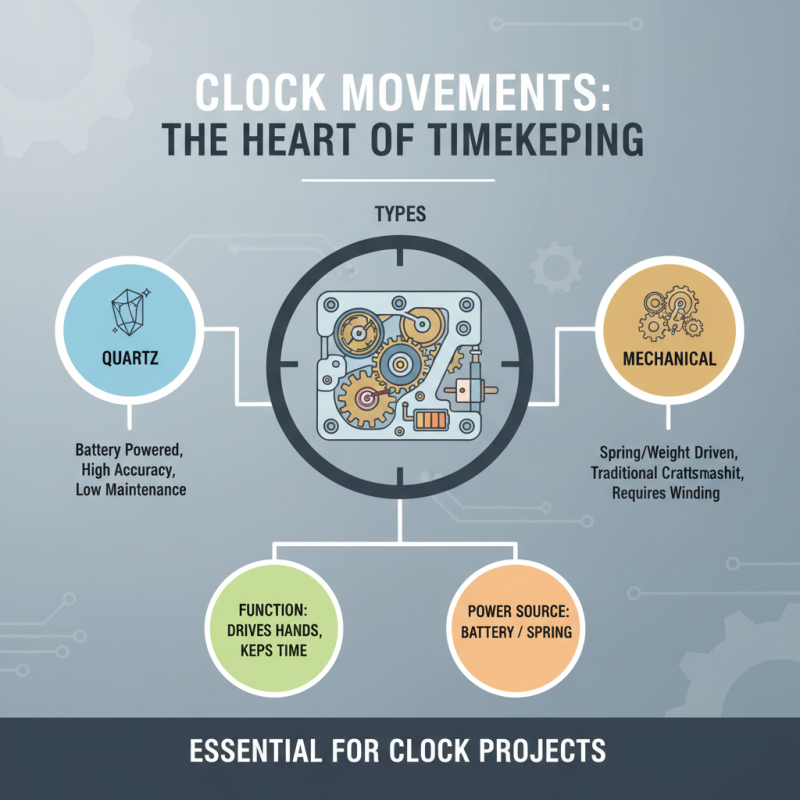
Clock movements, or mechanisms, are the heart of any wall clock project. They dictate how the hands move and keep time. Understanding these movements is essential for any clock maker or hobbyist. At their core, these mechanisms consist of a motor that drives the hands. A battery usually powers this motor. The type of movement can vary, from quartz to mechanical types. Each type has its unique charm and function.
Quartz movements are popular for their accuracy and simplicity. They rely on a crystal oscillator to regulate time. This gives them a precise measure, often to within seconds. Mechanical movements, on the other hand, rely on intricate gears and springs. They are an art form, often more complex and traditional. However, they can be less accurate if not maintained.
Choosing the right movement can be tricky. A project may require specific features, such as silent operation or a pendulum. Sometimes, movements may not fit perfectly with a given design. This can cause frustrations during assembly. Understanding these details helps avoid common pitfalls. When creating a unique clock, each part, including the movement, deserves careful consideration.
When designing a wall clock, the choice of clock hands plays a significant role. The style of the hands can dramatically alter the clock's overall appearance. Long, slender hands often exude elegance. They give a sense of sophistication to any design. On the contrary, bold, chunky hands can create a modern, artistic vibe.
Color is another important factor. A contrasting color can make the time easier to read. Think of bright red hands against a dark background. This adds a punch of color. It catches the eye instantly. However, choosing colors requires caution. You don’t want the design to clash. Overly bright or clashing colors can detract from the clock's charm.
The material also matters. Metal hands can be sleek and durable. Wooden hands add warmth. Plastic options may be cheaper, but they can look less refined. Each material brings unique challenges. Some may not hold up well over time. Reflecting on these choices can elevate a simple clock into a striking centerpiece. The right balance between function and form is essential.
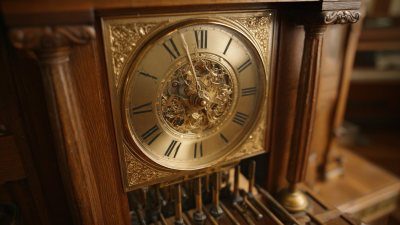
Dials and faces are crucial elements in wall clock design. Various materials can influence the look and feel of your clock. Wood, metal, and glass are popular choices. Each material has its own character. Wood adds warmth. Metal gives a modern touch. Glass offers elegance.
Colors and patterns on dials also matter. Vibrant colors attract attention. Subtle patterns can create depth. Sometimes, a simple design communicates sophistication. Think about the functionality too. Large numbers help readability. A busy background can confuse the viewer. Finding a balance is essential.
Experimenting with different designs can be rewarding but challenging. Maybe the initial idea doesn't work out as expected. It’s okay to rethink and adjust. Don't rush the decision. Take time to create a piece that resonates with the intended space. Your clock should be more than just a timekeeper; it should be a statement.
When diving into clock projects, having the right tools is crucial. A basic toolkit should include a screwdriver, pliers, and a drill. According to industry reports, around 80% of successful clockmakers emphasize the importance of precision tools. Incorrect tools can lead to assembly errors. Carefully measure each part before starting. Mistakes here can be costly and time-consuming.
Choosing the right clock movement is also essential. Standard movements can vary widely in size and functionality. Research from clockmaking associations shows that 65% of enthusiasts prefer quartz movements for accuracy. However, mechanical movements add a traditional charm. This choice often depends on your project goals.
Pay attention to details during assembly. Ensure that gears align properly to avoid future issues. Many beginners overlook this, leading to non-functional clocks. Remember to always think through each step. This mindful approach minimizes frustration and enhances the overall craftsmanship of your project.