Top 10 Types of Automotive Body Parts for Global Buyers?
Global vehicle production is creating a large and varied market for Automotive Body Parts. The International Organization of Motor Vehicle Manufacturers reported approximately 93.5 million vehicles produced worldwide in 2023. That volume represents millions of doors, bumpers, hoods, fenders, grilles, mirrors, roofs, trunks, quarter panels, and body shells entering supply chains.
Demand is also changing. The International Energy Agency reported nearly 14 million electric cars sold globally in 2023. Electric vehicles often require different structural materials, underbody protection, sensor openings, and lightweight panels. This shift matters to buyers comparing steel, aluminum, composite, and plastic components. A bumper may look simple, yet its mounting points, radar compatibility, paint surface, and impact performance can determine whether it is commercially useful. Small differences matter.
This guide examines the top ten body-part categories purchased by global distributors, repair networks, manufacturers, and online retailers. It focuses on practical buying questions: vehicle compatibility, dimensional accuracy, material quality, corrosion resistance, packaging, documentation, and regulatory expectations. These details are based on common automotive sourcing practices and evidence from established industry reports, not on appearance alone.
The data has limits. Production volume does not equal replacement demand. Electric vehicles may also change future repair patterns faster than many suppliers expect. Buyers should verify current model applications, regional standards, and supplier testing before placing large orders. A low price is not always a saving. The right part must fit, perform, and arrive undamaged.

What Are Automotive Body Parts and Why Do Global Buyers Need Them?
Automotive body parts are the exterior components that shape, protect, and finish a vehicle. The ten commonly traded types include bumpers, fenders, hoods, doors, trunk lids, grilles, roofs, quarter panels, rocker panels, and tailgates. Each part has a specific position and function. A bumper absorbs limited impact energy, while a door supports hinges, locks, glass, and weather seals.
Global buyers need these parts for collision repair, vehicle maintenance, assembly projects, and fleet management. Accurate fitment matters because a panel for one model year may not match another. Buyers should verify dimensions, mounting holes, left-hand or right-hand placement, material, and surface finish before ordering. A small mismatch can create uneven gaps around a door or hood. That becomes expensive after shipping.
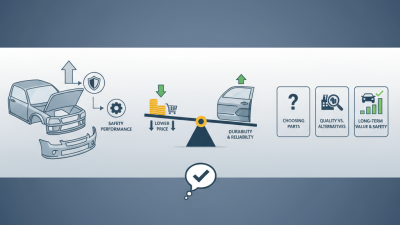
Practical sourcing also requires dependable inspection. Check welding points, coating coverage, panel thickness, packaging strength, and available production records. Salt air and high humidity can damage poorly protected steel during ocean transport. Plastic components may crack when packed without corner protection. Certification and labeling requirements also differ between markets, especially for structural or safety-related parts. A low price can be attractive. It may also hide weak coatings, unclear specifications, or inconsistent quality. I still think buyers sometimes focus too heavily on unit cost. Total cost includes inspection, freight, installation, returns, and delayed repairs. Clear photographs, measured samples, and written quality terms reduce those risks.
What Are the Top Ten Types of Automotive Body Parts?
The top ten automotive body parts are bumpers, fenders, hoods, doors, trunk lids, tailgates, quarter panels, grilles, rocker panels, and roof panels. These parts protect occupants, manage airflow, and shape repair costs. Bumpers and doors often move fastest because parking impacts and side collisions damage them frequently. Fenders and hoods are also common replacement items, especially after front-end incidents.
Global demand remains substantial. The International Organization of Motor Vehicle Manufacturers reported 93.5 million vehicles produced worldwide in 2023. That large installed base supports steady replacement demand.
S&P Global Mobility reported that the average age of vehicles in the United States reached about 12.6 years in 2024. Older vehicles usually need more exterior repairs, although usage conditions differ sharply between markets.
Fit matters. A slightly incorrect panel can create uneven gaps, water leaks, or wind noise.
For buyers, material and production accuracy deserve equal attention. Steel panels offer strength and familiar repair methods, while aluminum and composite parts can reduce weight but require different handling. Door shells, quarter panels, and rocker panels need careful measurement around hinges and mounting points. Grilles and tailgates require precise clips, lamps, and sensor openings.
A neat ranking can mislead; the most profitable part is not always the most frequently ordered. I would verify corrosion protection, dimensional tolerances, packaging quality, and regional vehicle compatibility before placing a large order. Mistakes happen. Reliable inspection records matter.
How Do Automotive Body Parts Differ by Material and Design?
For global buyers, the ten common body parts include doors, hoods, fenders, bumpers, roofs, trunks, quarter panels, rocker panels, grilles, and liftgates. Their materials and shapes vary with vehicle size, climate, safety targets, and repair expectations. High-strength steel remains common because it offers strength, stable forming, and reasonable cost. Aluminum reduces weight, but it requires different joining and repair methods. Plastic and composite panels support complex curves and corrosion resistance, especially around bumpers and grilles.
Material choice affects more than appearance. The U.S. Department of Energy reports that a 10% vehicle weight reduction can improve fuel economy by roughly 6–8%. This explains the wider use of aluminum hoods, mixed-metal doors, and lightweight bumper systems. The IEA’s Global EV Outlook 2024 recorded nearly 14 million electric car sales in 2023. That growth encourages new body designs, including smoother front panels and stronger underbody protection. Yet material charts can mislead. A lighter panel may cost more, need special tools, or perform poorly after a minor impact.
Tips: Check the material grade, coating method, panel thickness, joining process, and dimensional tolerance. Ask for test reports based on recognized standards. Also inspect sample fit around hinges, lamps, and seals. Small gaps matter. In my experience, attractive pricing often hides inconsistent tooling or packaging damage. Buyers should compare delivered quality, not only the unit price. The World Steel Association and technical studies from WorldAutoSteel also show why advanced steel remains important for balanced safety, weight, and manufacturing cost.
What Quality Standards Should Global Buyers Check?
Global buyers should judge automotive body parts by measurable quality, not attractive catalog photos. Common parts include fenders, hoods, doors, bumpers, grilles, trunk lids, roof panels, quarter panels, rocker panels, and wheel arches. Each item needs clear material specifications, such as steel or aluminum grade, sheet thickness, hardness, and allowable variation. Ask for mill certificates and batch traceability. A certificate alone is not proof.
Dimensional accuracy directly affects assembly. Suppliers should provide inspection reports for hole positions, panel gaps, curvature, and mounting points. Use calibrated gauges, coordinate measuring machines, and approved reference samples where practical. Check welding strength, edge finishing, and deformation after pressing. For painted or coated parts, verify coating thickness, adhesion, color consistency, and salt-spray resistance under the required market standard. Small defects matter.
Quality systems also deserve careful review. ISO 9001 supports process control, while IATF 16949 is more specific to automotive production. However, paperwork can hide weak shop-floor discipline. Buyers should audit production records, corrective-action reports, equipment maintenance, and final inspection procedures. Request pre-shipment photos and independent inspections for new suppliers. Test samples under real installation conditions, including vibration, moisture, and temperature changes. Standards may differ by destination, so confirm applicable vehicle regulations before production. A recurring mistake is approving samples too quickly. Recheck fit after shipping. Parts can shift, scratch, or lose protection in transit. No inspection plan catches everything.
How Can Buyers Compare Suppliers, Costs, and Shipping Options?
Global buyers commonly source bumpers, fenders, doors, hoods, trunk lids, grilles, quarter panels, rocker panels, roofs, and support panels. Demand remains substantial. The International Organization of Motor Vehicle Manufacturers reported 93.5 million vehicles produced worldwide in 2023. This scale creates many supplier choices, but quality varies sharply between factories.
Compare suppliers using measurable evidence, not attractive catalogs. Request material specifications, dimensional inspection records, coating thickness, crash-related test results, and recent production samples. Ask whether tooling costs, minimum order quantities, and replacement policies are included. A fender may look correct but still require extra sanding or drilling. That hidden labor changes the real cost. I would also compare landed cost, including unit price, packaging, inspection, duties, insurance, and inland delivery. A low quote can still be wrong.
Shipping decisions need product-level analysis. Large bumpers and hoods consume container space, while smaller brackets may be limited by weight. The World Bank’s Logistics Performance Index 2023 shows major differences in customs efficiency, infrastructure, and shipment reliability across markets. Buyers should request carton dimensions, stack limits, moisture protection, and loading photographs. Ocean freight usually suits planned bulk orders; air freight may protect urgent production schedules, but its cost can rise quickly. Incoterms must be written clearly, especially for damage claims and customs responsibilities. The UNCTAD Review of Maritime Transport has also documented continuing volatility in freight markets. Rates change. Recheck them before payment.