How to Source High Quality Steel Parts for Your Business?
When sourcing high-quality steel parts, industry expertise is essential. According to John Smith, a leading expert in steel fabrication, "The quality of steel parts can make or break your product." Businesses must understand the importance of choosing reliable suppliers who prioritize craftsmanship. This is not just a transaction; it is a partnership that influences the entire supply chain.
Many companies overlook the nuances in steel specifications and production methods. This can lead to compromising on quality. Reliable steel parts are crucial for durability and performance. Companies should invest time in evaluating potential suppliers. Checking their certifications and production processes can reveal much about their reliability.
In today’s competitive landscape, settling for subpar steel parts is a risky gamble. Customers expect quality, and businesses must deliver. Reflecting on past sourcing decisions can provide insights into improvements. Always seek out transparency in manufacturing practices. This fosters trust and ensures longevity in your supply chain relationships.
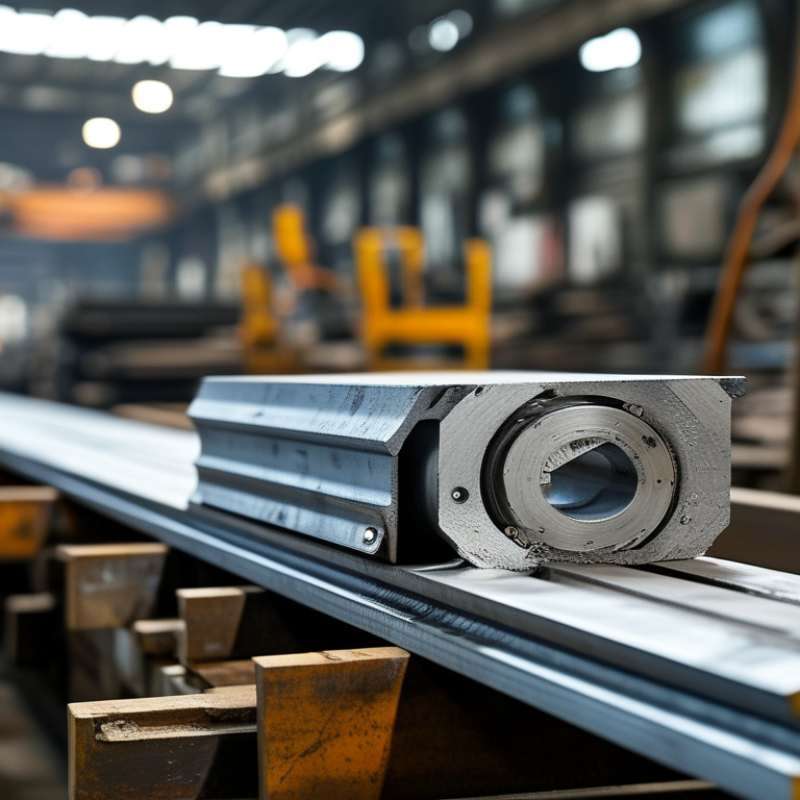
Understanding the Importance of High-Quality Steel in Manufacturing
High-quality steel is essential in manufacturing. It impacts the durability, strength, and overall performance of products. When businesses use superior steel, they create reliable and long-lasting components. This ultimately leads to reduced failures and enhances customer satisfaction.
Selecting the right steel material requires understanding grades and specifications. Knowing the differences between carbon steel, stainless steel, and alloy steel is vital. Each type serves unique applications and possesses distinct properties. Companies often overlook the importance of these details, leading to costly mistakes.
To ensure quality, work with trusted suppliers. Establishing strong relationships can provide insights into material sourcing. Regularly assess suppliers for their production practices. Sometimes, it's easy to assume all materials meet high standards. This is where diligence pays off—consistent checks can prevent future problems. High-quality steel is an investment that pays dividends in product excellence and brand reputation.
Key Industry Standards and Certifications for Steel Parts
Sourcing high-quality steel parts involves understanding industry standards and certifications. These benchmarks ensure the products meet specific quality and safety requirements. Familiarity with these standards enhances your credibility in the marketplace.
The ISO 9001 certification is a primary standard for quality management systems. Companies that achieve this have proven their ability to consistently provide products that satisfy customer and regulatory demands. Additionally, ASTM International sets specific standards for steel materials. Compliance with these standards ensures reliability and performance in various applications.
It's important to verify that your suppliers adhere to these standards. However, not all suppliers are transparent about their certifications. Some may claim compliance without proper documentation. Ensuring reliable sourcing means asking for certifications and performing due diligence. Trust but verify; this mindset will protect your business in the long run.
Evaluating Suppliers: Criteria for Quality and Reliability
When evaluating suppliers for high-quality steel parts, focus on several key criteria. Start with certifications. Look for suppliers with ISO or similar certifications. This indicates adherence to quality standards. Next, assess their production capabilities. Can they meet your volume requirements? A supplier's capacity can impact lead times and overall reliability.
Another vital factor is communication. Quality suppliers respond quickly. They understand your needs and provide clear timelines. Ask for references from past clients. Reliable suppliers often have a track record. This can help you gauge their performance.
Consider the materials they use. High-grade steel yields better results. Ask about their sourcing process for raw materials. Inquire about their quality control practices. Are there regular audits? Reflect on these aspects during your selection process. It’s crucial to find a balance between cost and quality. A cheaper option may not always deliver the best results.
How to Source High Quality Steel Parts for Your Business? - Evaluating Suppliers: Criteria for Quality and Reliability
| Supplier Criteria |
Evaluation Method |
Rating (1-5) |
Comments |
| Material Quality |
Material certification review |
5 |
Exceeds industry standards |
| Production Capability |
Capacity assessment |
4 |
Capacity for large orders |
| Lead Time |
Delivery schedule review |
3 |
Average lead time |
| Customer Service |
Feedback from previous clients |
5 |
Very responsive and helpful |
| Cost Effectiveness |
Price comparison analysis |
4 |
Competitive pricing |
| Compliance and Certifications |
Audit of compliance |
5 |
All necessary certifications obtained |
Cost vs. Quality: Analyzing the Total Cost of Steel Parts
When analyzing the total cost of steel parts, businesses often face a dilemma between cost and quality. It's important to recognize that the lowest price doesn't always equate to the best value. Those who prioritize quality may incur higher upfront costs, but this often leads to longer-lasting components and reduced maintenance expenses. On the other hand, cheaper steel parts might save money initially, but they can lead to frequent replacements and downtime, ultimately increasing overall costs.
Tips: Consider the lifespan of the part. Quality steel often lasts longer, which can save money over time. Evaluate the supplier's track record. Reliable vendors usually provide consistent quality. Lastly, do not shy away from asking for samples. Testing a part before making a large order can prevent poor purchasing decisions.
Another factor to consider is the intended application of the steel part. A higher quality steel may be necessary for high-stress environments, whereas less demanding applications might tolerate lower-grade materials. It's essential to weigh these considerations against the specific needs of your business to avoid costly mistakes. Understanding the balance between cost and quality will lead to smarter sourcing decisions in the long run.
Trends in Steel Sourcing: Sustainable Practices and Innovations
Sustainable sourcing is becoming crucial in the steel industry. Recent studies indicate that about 30% of steel used globally is now produced using recycled materials. This shift helps reduce carbon emissions significantly. Many companies are investing in innovative practices. They aim to enhance the sustainability of steel production.
One exciting trend is the adoption of electric arc furnace (EAF) technology. EAFs use up to 75% less energy compared to traditional blast furnaces. Additionally, the use of renewable energy sources to power these furnaces is on the rise. This method not only cuts costs but also aligns with global carbon reduction goals. Monitoring data shows a 40% drop in emissions from companies using EAFs.
Another trend is the push for circular economy principles. Steel parts are now designed for easy recycling at the end of their life cycle. This approach minimizes waste. However, challenges remain. Some suppliers still struggle to meet strict sustainable criteria. Ensuring quality while pursuing sustainability can complicate sourcing processes. Finding the right balance is essential for future growth.
Trends in Steel Sourcing: Quality vs. Sustainability
This chart illustrates the increasing focus on sourcing high-quality steel parts while maintaining sustainable practices. The data shows the percentage of businesses prioritizing quality and sustainability from 2018 to 2022.