Top Precision Metal Parts for High Quality Manufacturing?
In the landscape of high-quality manufacturing, precision metal parts are essential. These components play a critical role in various industries, including aerospace, automotive, and electronics. Precision metal parts are known for their exact dimensions, which ensure the reliability of machinery and devices. When manufacturers integrate these components, they often experience enhanced performance and durability.
However, producing precision metal parts is not without challenges. Companies must balance cost with quality. The materials used and the specific processes can impact overall outcomes. Some manufacturers struggle with the high standards required for precision parts. This often leads to reflections on improving techniques and investing in better technology.
In a world where quality is paramount, the production of precision metal parts should never be taken lightly. Attention to detail and consistent evaluation of processes can lead to significant improvements. As the demand for high-quality manufacturing continues to grow, manufacturers must rethink their approaches.
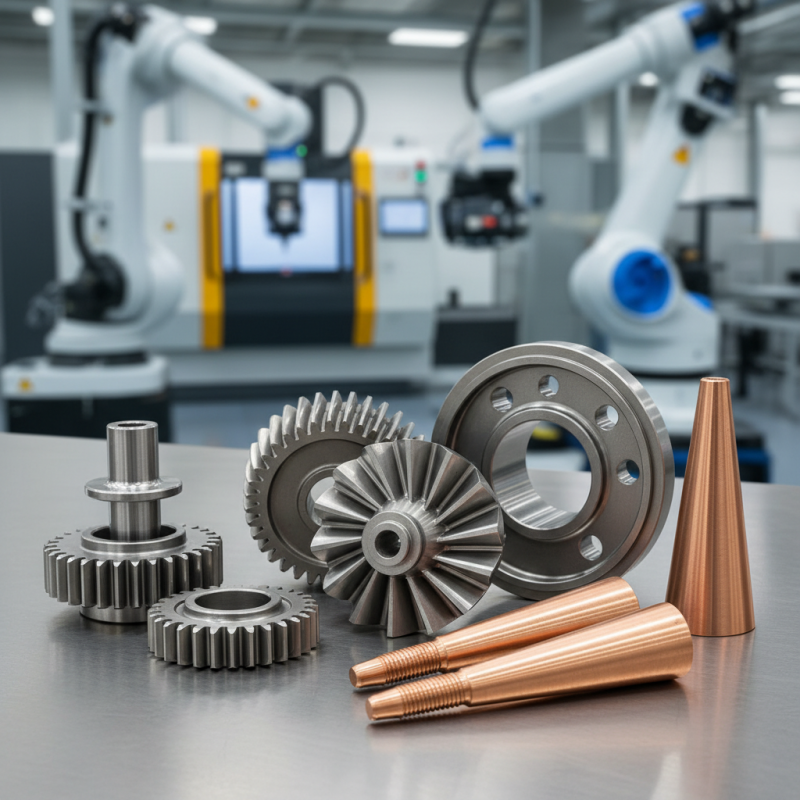
Importance of Precision Metal Parts in Modern Manufacturing
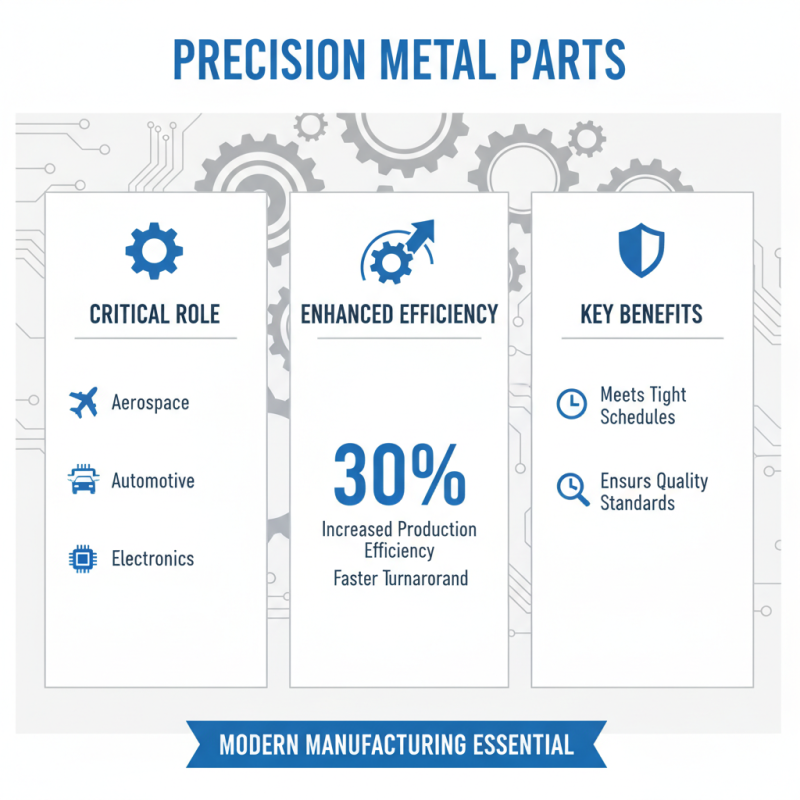
Precision metal parts are essential in modern manufacturing processes. Their role is critical across various industries, including aerospace, automotive, and electronics. According to a recent industry report, precision parts can enhance production efficiency by up to 30%. This statistic highlights their importance in meeting tight production schedules and quality standards.
With the rise of advanced technologies like CNC machining and additive manufacturing, the demand for precision components continues to grow. Many manufacturers face challenges in sourcing high-quality materials that meet specific tolerances. In fact, a survey revealed that 40% of manufacturers struggle with material inconsistency. This can lead to wasted resources and delayed timelines. It's essential for companies to critically evaluate their supplier networks to ensure reliability.
Furthermore, precision metal parts significantly affect product performance and longevity. For instance, parts made with precision can lead to lower failure rates in complex systems. However, achieving such precision isn't always straightforward. Many manufacturers need to invest in advanced training for their workforce. Continuous improvement is necessary, and addressing these skill gaps must be a priority.
Materials Used in High-Quality Precision Metal Parts
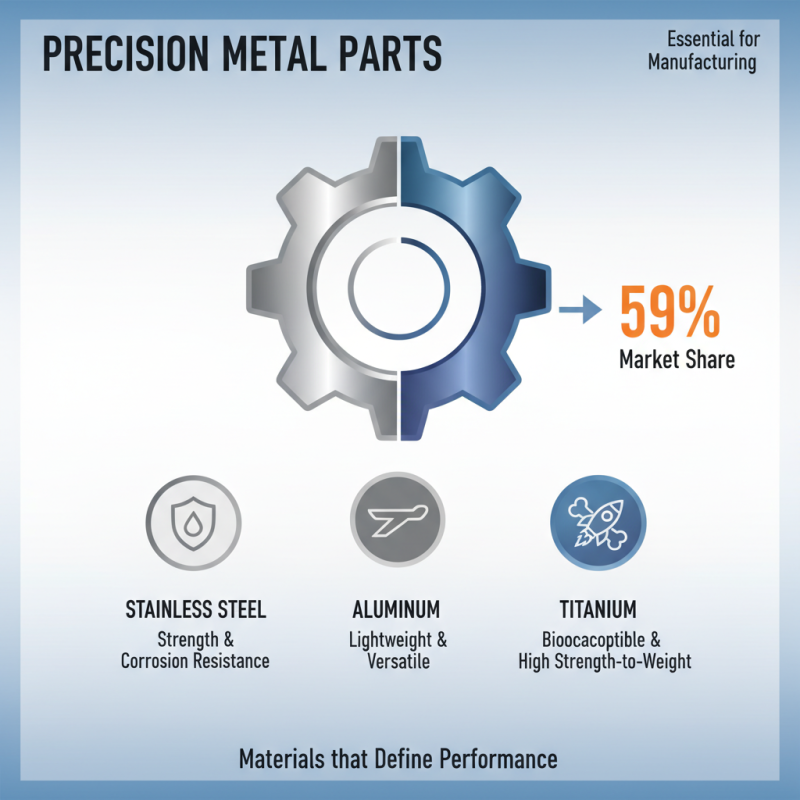
High-quality precision metal parts are essential for various manufacturing industries. The choice of materials greatly influences the performance and durability of these parts. Common materials used include stainless steel, aluminum, and titanium. Stainless steel is favored for its strength and corrosion resistance. In fact, it accounts for about 59% of the metal parts market due to its versatility.
Aluminum, on the other hand, is lightweight and resistant to oxidation. It is often preferred for aerospace applications where reducing weight is critical. Reports indicate that the demand for aluminum in aviation has surged by approximately 20% in recent years. Despite its advantages, aluminum can also be less durable under extreme conditions, prompting engineers to carefully consider environmental factors during design.
Titanium is noted for its exceptionally high strength-to-weight ratio. However, it can be more challenging to machine compared to other metals. Reports suggest that only 15% of companies effectively optimize titanium machining processes. This underscores a need for reflection and improvement within the industry to fully exploit titanium's potential. Balancing material choice with practical manufacturing concerns is vital in high-quality production.
Common Manufacturing Techniques for Precision Metal Parts
Precision metal parts are essential in various industries.
The manufacturing techniques used significantly impact the quality and accuracy of these parts. Let's explore some common techniques.
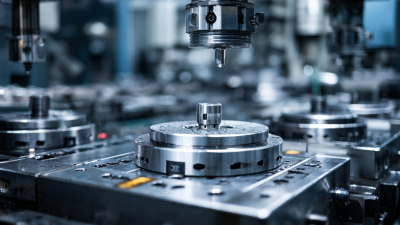
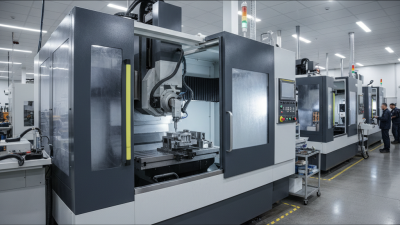
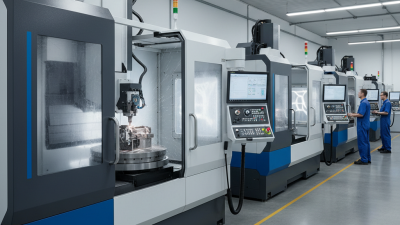
CNC machining is a widely used method. It allows for high precision and complex geometries. However, it can generate waste material. This is an important factor to consider. Minimizing waste can enhance overall efficiency and reduce costs.
Another technique is laser cutting. This method provides clean edges and precise dimensions. However, it can be expensive for small batches. Evaluating batch size is crucial. Balancing cost and precision requires careful planning.
Tips: Always assess tolerances before production. This will help avoid costly rework. Additionally, consider the end-use of the parts. Functionality should drive design decisions. Attention to detail can make a significant difference in performance.
Applications of Precision Metal Parts Across Different Industries
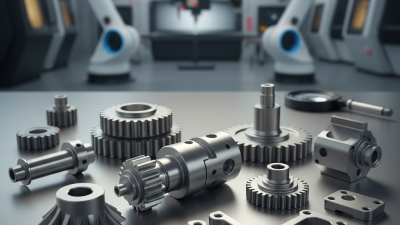
Precision metal parts play a crucial role in various industries. In the automotive sector, they are essential for manufacturing components like gears and brackets. These parts must meet strict standards to ensure performance and safety. Precision machining allows for intricate designs, but achieving perfection is often a challenge.
In the medical field, precision parts are used in devices like surgical tools and implants. Quality control is vital, as even minor defects can lead to serious consequences. The manufacturing process must be meticulously monitored, yet errors can still occur. Each piece must be made with accuracy, balancing functionality and safety.
Aerospace also relies heavily on precision metal parts. Components like turbine blades require exact specifications to withstand harsh conditions. However, the process of creating these complex parts is not without flaws. The industry strives for improvement, yet making adjustments in a timely manner can be a struggle. Quality must always be prioritized, even as manufacturers face these ongoing challenges.
Quality Control Measures in Precision Metal Part Production
In precision metal part production, quality control is paramount. Research indicates that 75% of manufacturing defects arise from inadequate quality control measures. Robust inspection techniques help catch issues early. Regular audits ensure compliance with industry standards.
Automated inspection tools are gaining traction. They can enhance accuracy and reduce human error. However, reliance on technology alone can lead to oversight. Human expertise is still critical in assessing nuances that machines may miss. The integration of both approaches can minimize defects but requires ongoing staff training.
Data from industry reports also reveal that companies focusing on quality control see a 20% boost in customer satisfaction. This highlights the need for continuous improvement. Manufacturers must also adapt their strategies over time. Continuous feedback loops can help in refining processes, ensuring the utmost quality in metal parts.
Top Precision Metal Parts for High Quality Manufacturing