Why Choose CNC Machined Aluminum Parts for Your Projects?
CNC machined aluminum parts have become a top choice for many projects. Their versatility and precision make them indispensable in various industries. From automotive to aerospace, these components offer unique advantages that can enhance functionality.
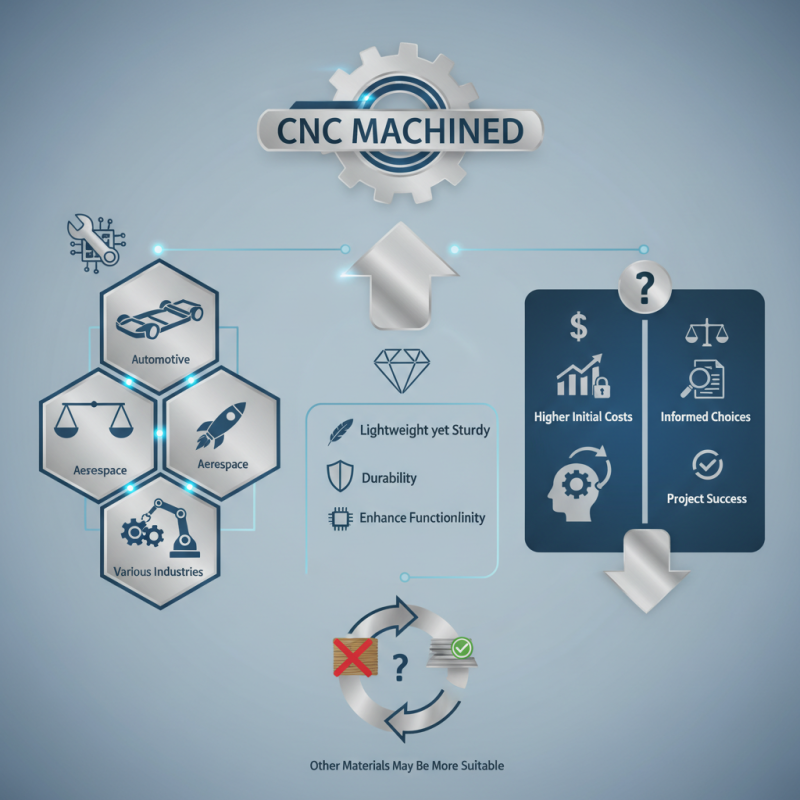
Using CNC machined aluminum parts can significantly improve the quality of finished products. They are lightweight yet sturdy, allowing for durability without adding excess weight. This is crucial in applications where every gram counts. However, it's essential to recognize that not all projects require aluminum. Sometimes, other materials may be more suitable.
While CNC machining delivers impressive results, it does come with challenges. The initial costs can be higher compared to conventional methods. Additionally, a learning curve exists for those unfamiliar with the technology. It's vital to weigh these factors against the potential benefits. Investing time in research can lead to informed choices that ultimately enhance your projects' success.
Benefits of CNC Machining for Aluminum Parts
CNC machined aluminum parts offer numerous advantages for modern manufacturing. The precision of CNC machining allows for tight tolerances, often within ±0.005 inches. This level of accuracy is critical in industries like aerospace and automotive, where even minor discrepancies can lead to failures. An astonishing 50% of manufacturers reported reduced wastage when switching to CNC machining, according to a recent industry survey. This reduction saves costs and resources, contributing to a more sustainable production process.
Moreover, aluminum is lightweight yet strong, making it ideal for various applications. Its resistance to corrosion enhances durability. In fact, aluminum components can last up to 30% longer compared to plastic counterparts in some environments. This longevity is crucial in high-stress applications, promoting reliability over time. Remember, though, that machining aluminum can create chips and debris. Employ effective chip management practices to maintain a clean workspace.
Tips: Frequent tool maintenance is key. Dull tools can compromise performance. Regularly check and replace tools to ensure quality outputs. Always verify design specifications before machining. This minimizes errors late in the process. Ultimately, careful planning leads to more efficient production.
Advantages of CNC Machined Aluminum Parts
Precision and Accuracy in CNC Machined Aluminum Parts
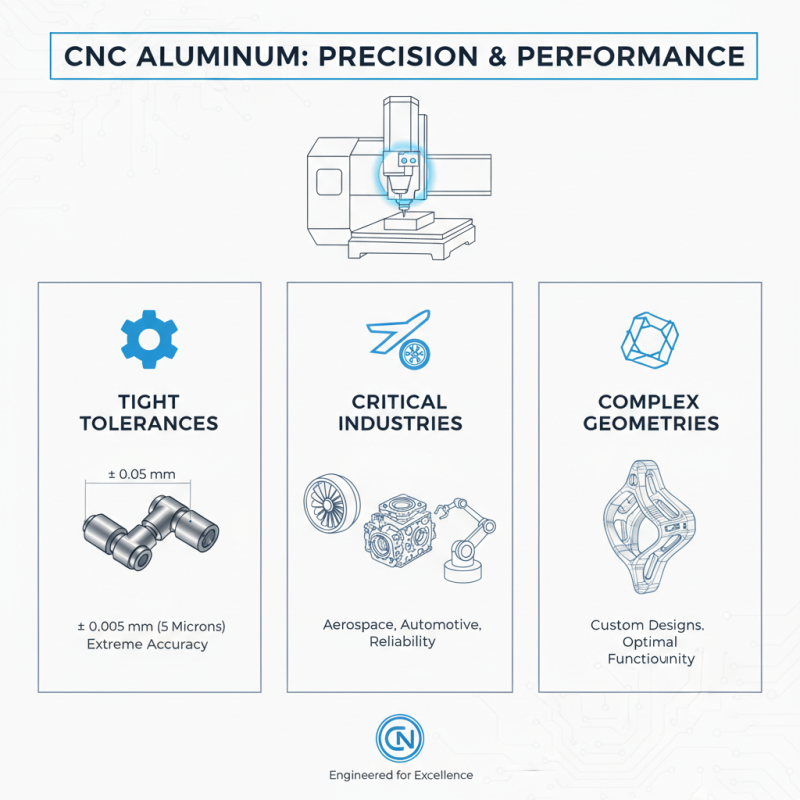
CNC machined aluminum parts stand out for their precision and accuracy. The machining process allows for tight tolerances, often within just a few microns. This level of detail is crucial for industries like aerospace and automotive, where even a small error can lead to significant failures. The ability to create complex geometries adds further value, as components can be tailored to specific needs without compromising quality.
Yet, achieving perfect precision isn't easy. Variations in material quality or machining conditions can impact outcomes. Even minor mistakes during setup can lead to discrepancies in dimensions. Machinists must constantly monitor the process to ensure high standards. It’s a delicate balance of skill, machine capability, and raw material.
Aluminum, known for its lightweight characteristics, contributes to accuracy. It machines well, allowing for smooth finishes and intricate designs. The material's properties make it suitable for high-performance applications. However, the challenge remains in maintaining consistency. Each batch may require adjustments. Attention to detail is essential to overcome this. Embracing these imperfections fosters improvement in processes. This commitment to precision ensures the final product meets strict demands.
Cost-Effectiveness of Using CNC Machined Aluminum
CNC machined aluminum parts are known for their cost-effectiveness. They offer a balance between affordability and high-quality performance. According to industry reports, machining aluminum can reduce production costs by up to 30%. This is crucial for businesses seeking efficiency without sacrificing quality.
Using aluminum is not just about costs. This material is lightweight yet strong, which contributes to lower shipping expenses. Additionally, aluminum has excellent machinability. This means shorter production times and less waste. Data shows that companies can achieve a 20% reduction in lead times when switching to CNC machined aluminum.
Tip: Always consider the volume of parts needed. Higher quantities can lower unit costs significantly.
However, it’s important to recognize some challenges. There can be variations in aluminum alloys, affecting the final product. Not all methods suit every project type. This variability can lead to unforeseen expenses if not carefully managed.
Tip: Test small batches before full-scale production. It helps ensure quality and clarity on costs.
Applications of CNC Machined Aluminum in Various Industries
CNC machined aluminum parts are widely used across various industries. They offer versatility in design and functionality. The automotive sector often utilizes these parts for components like brackets and housings. They are lightweight and help improve fuel efficiency. In the aerospace industry, precision is critical. CNC machining provides the exact specifications needed for safety-critical components.
Medical devices also benefit from aluminum parts. They are durable and resistant to corrosion, which is crucial in hospitals. Customization is often necessary; CNC machining allows for tailored production. However, there can be challenges in achieving perfect finishes. Sometimes, machining can introduce unintended surface imperfections. This requires careful inspection and sometimes rework, which can affect timelines.
Electronics is another industry that relies on CNC machined aluminum. It provides excellent heat dissipation for components like heat sinks. Yet, designers must consider the machining tolerances. Sometimes, these tolerances can lead to fits that are too tight or too loose. Adjustments during production can be needed, impacting costs and efficiency. Overall, CNC aluminum parts play a vital role, but they come with their own set of challenges and learning opportunities.
Comparing CNC Machining with Other Manufacturing Techniques
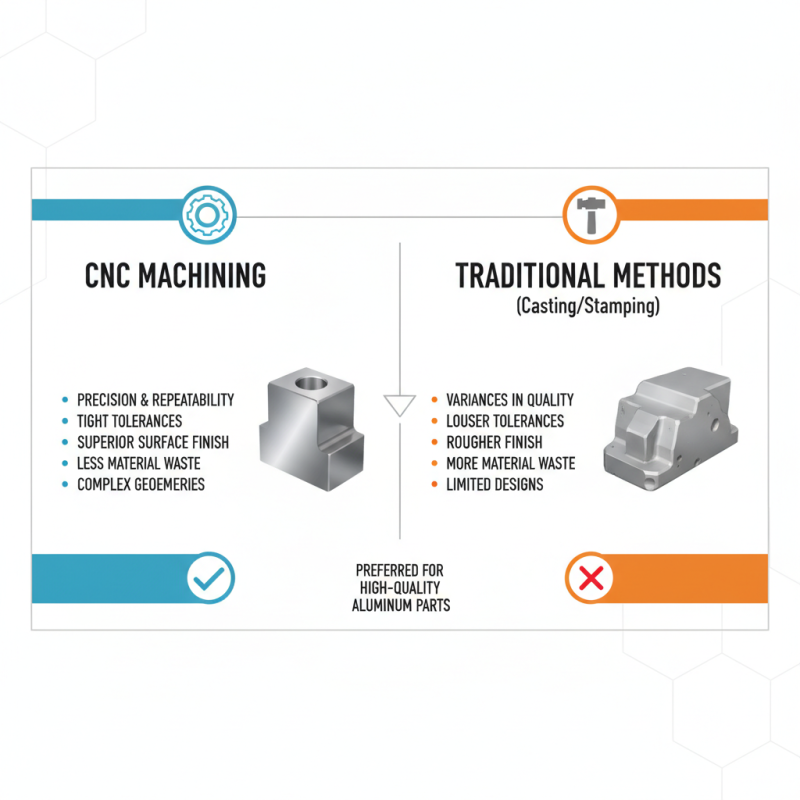
CNC machining has gained popularity for producing aluminum parts. It offers precision and repeatability that many traditional methods cannot match. For projects requiring tight tolerances, CNC machining shines. In contrast, techniques like casting or stamping can lead to variances. These can affect the final product’s quality.
When evaluating manufacturing methods, consider your project’s complexity. CNC machining excels at creating intricate designs. However, it might not be the most cost-effective choice for large-scale production. In contrast, injection molding could be more economical for larger quantities.
Tips: Always assess the design requirements thoroughly. Simplifying designs can enhance manufacturability. Also, be mindful of the material properties. Not all aluminum alloys suit every application. A slight miscalculation in choosing the alloy can lead to issues later on. Remember that every method has its strengths and weaknesses. Making the right choice often involves weighing these factors carefully.