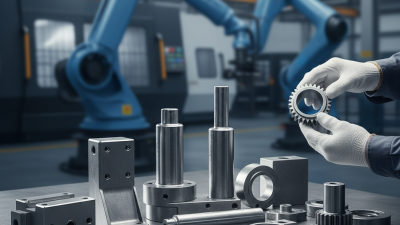
China Top 10 Metal Fabrication Parts for Global Buyers?
In the fast-evolving global market, understanding the significance of "Metal Fabrication Parts" is crucial for manufacturers and buyers alike. China has emerged as a dominant player in this sector, supplying a wide range of high-quality metal components. This comprehensive guide highlights the top ten metal fabrication parts that global buyers should consider.
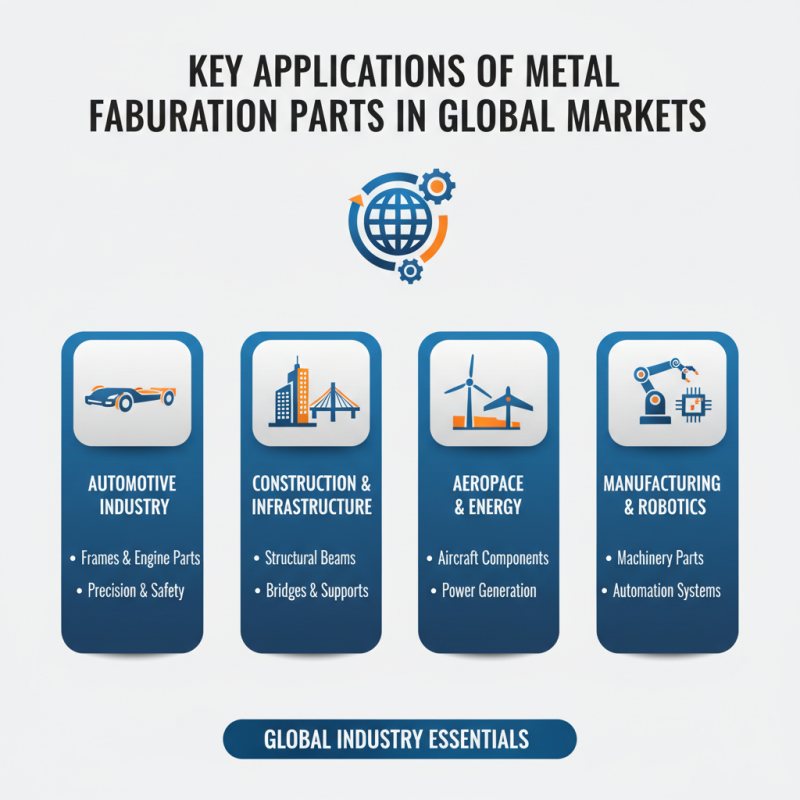
These parts are integral to various industries, including automotive, aerospace, and electronics. However, sourcing these components can be challenging. Buyers must navigate complexities such as material specifications and production capabilities. Not every manufacturer adheres to the same standards, which can lead to inconsistencies in product quality.
When looking for reliable suppliers, attention to detail is key. Can they meet your specifications without compromising quality? How do they ensure precision in their fabrication processes? These questions are vital to evaluate potential partners. By addressing these aspects, buyers can make informed decisions in the dynamic realm of metal fabrication.
Overview of Metal Fabrication Industry in China
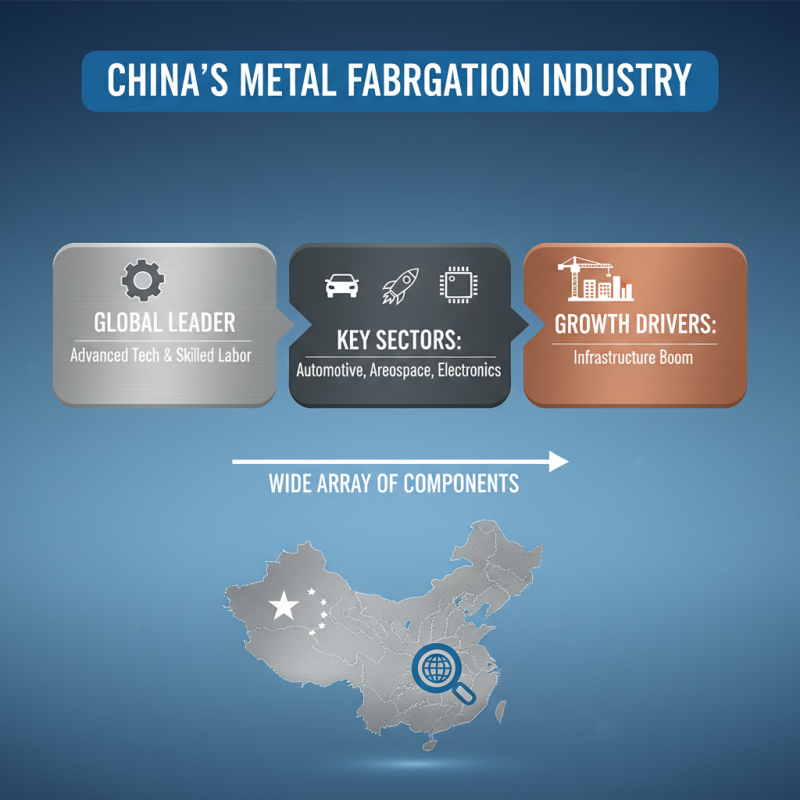
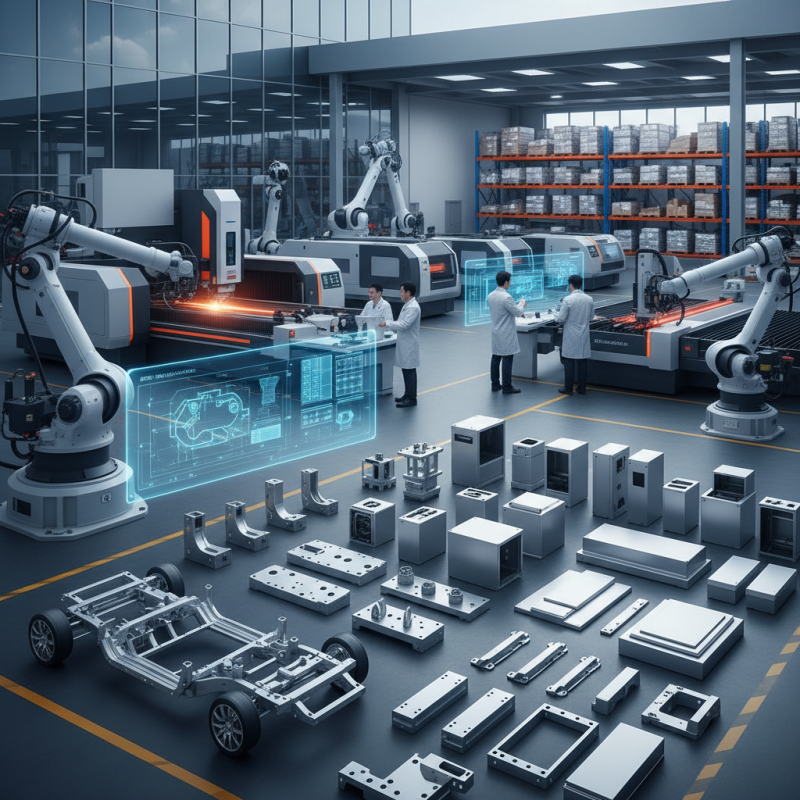
The metal fabrication industry in China has established itself as a significant player in the global market. With advanced technology and skilled labor, China produces a wide array of metal components. These parts cater to industries like automotive, aerospace, and electronics. The rapid growth in infrastructure projects further fuels demand for these fabricated parts.
China's metal fabrication includes processes such as welding, machining, and cutting. Each method plays a vital role in shaping products that meet international standards. Global buyers often select Chinese manufacturers for their cost-effectiveness and diverse capabilities. However, quality control remains a challenge. Some manufacturers may compromise on standards, leading to discrepancies in the final products.
**Tip:** When sourcing metal parts, prioritize suppliers with robust quality assurance practices. Research their certifications and past projects to gauge reliability.
Engaging with local representatives can bridge communication gaps. Often, cultural differences lead to misunderstandings about specifications or designs. Establishing clear guidelines from the start mitigates risks and enhances collaboration.
**Tip:** Regular follow-ups during the manufacturing process can ensure that everything aligns with your requirements. Mistakes can be costly, making communication crucial.
Top Metal Fabrication Techniques Used in China
Metal fabrication in China employs various advanced techniques. These methods ensure high-quality production while catering to diverse global demands. One commonly used technique is laser cutting. This process allows precise cuts on thick metals and complex shapes. The result? Reduced waste and improved efficiency.
Welding is another crucial method. It unites metal parts using heat. Skilled welders ensure strong joints. However, the quality of welds can vary based on factors like skill and equipment. Investing in proper training for welders can significantly enhance the output quality.
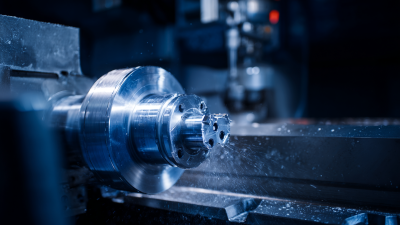
Another technique gaining popularity is CNC machining. This method offers high precision and consistency. It’s suitable for producing complex parts quickly. Despite its advantages, it requires careful programming and machine maintenance. Mistakes in these areas can lead to costly errors. Manufacturers must continuously evaluate systems for optimal performance.
Leading Chinese Manufacturers of Metal Fabrication Components
China has become a leading player in the metal fabrication industry. Many global buyers rely on Chinese manufacturers for high-quality components. This reputation comes from their expertise in various fabrication processes, bringing innovation and efficiency to the market.
Among the metal parts produced, custom sheet metal is highly sought after. This component is vital in sectors like automotive and aerospace. Each piece often requires precision engineering to meet specific customer demands. Additionally, welded assemblies are increasingly important for structural applications. They are used in buildings, machinery, and more. These assemblies must adhere to strict global standards.
While quality control is emphasized, challenges still exist. Some buyers report inconsistency in production quality. Communication can also be an issue across different time zones. Understanding the local manufacturing climate is crucial. Buyers should be aware of these complexities when engaging with Chinese suppliers. Building strong relationships can lead to better outcomes.
Quality Standards and Certifications for Chinese Metal Fabrication Products
Quality standards and certifications are crucial for Chinese metal fabrication products. Understanding these standards helps global buyers make informed decisions. Key certifications include ISO 9001 and CE marking. These indicate that manufacturers follow strict quality management systems. Buyers should verify these credentials before purchasing.
Metal fabrication involves various processes like welding and laser cutting. Each process has specific requirements. Inconsistent quality can lead to significant issues. Testing and inspection are vital. They ensure that parts meet necessary specifications. Moreover, different industries might have unique standards.
Despite improvements, challenges persist in the sector. Some manufacturers may not adhere strictly to quality regulations. Buyers must maintain vigilance and conduct regular audits. This oversight can help identify potential quality lapses. Continuous communication with suppliers can also foster better standards.
Top 10 Metal Fabrication Parts for Global Buyers